Septic Tank Pumping and Sewer Line Repair in Grand Prairie
Slow drains, odd smells or a soggy yard? Gather a few photos and notes, then request an estimate. We connect you with independent providers in the Grand Prairie area.
- Request an estimate with no obligation
- Compare providers at your own pace
- Keep photos and records in order
- Independent local providers
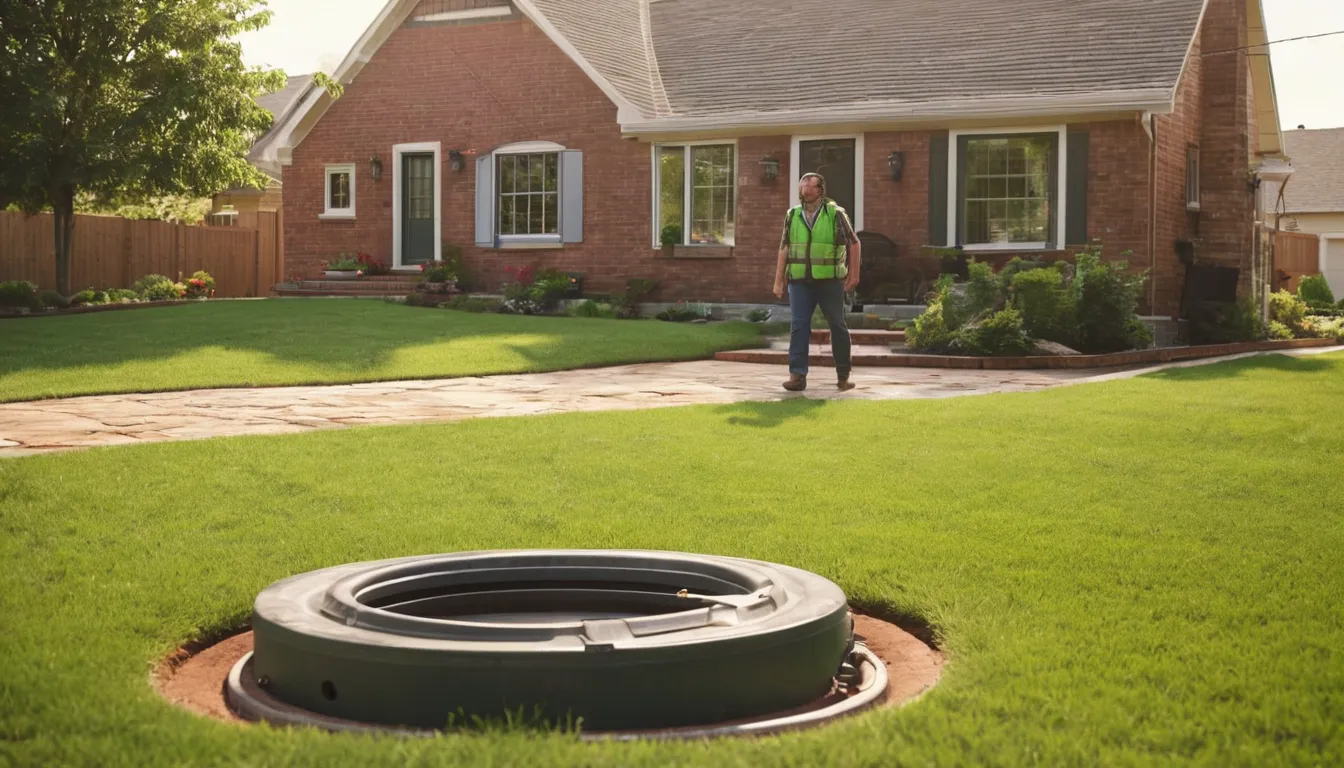
Why Choose Driverreactions Septic?
Gather Your Notes
Collect photos, past receipts, the last pumping date and a short list of symptoms with dates.
Request an Estimate
Send your details through the form so a local provider can review your situation.
Compare the Offers
Line up what each estimate includes, not only the price, and ask questions.
Schedule Your Visit
Choose the provider you prefer, then clear a path to the tank lid beforehand.
Our Services
This site focuses on two services: septic tank pumping and sewer line repair. Each page explains what the work involves, what to prepare, and what to ask. Choose the one that matches your problem.
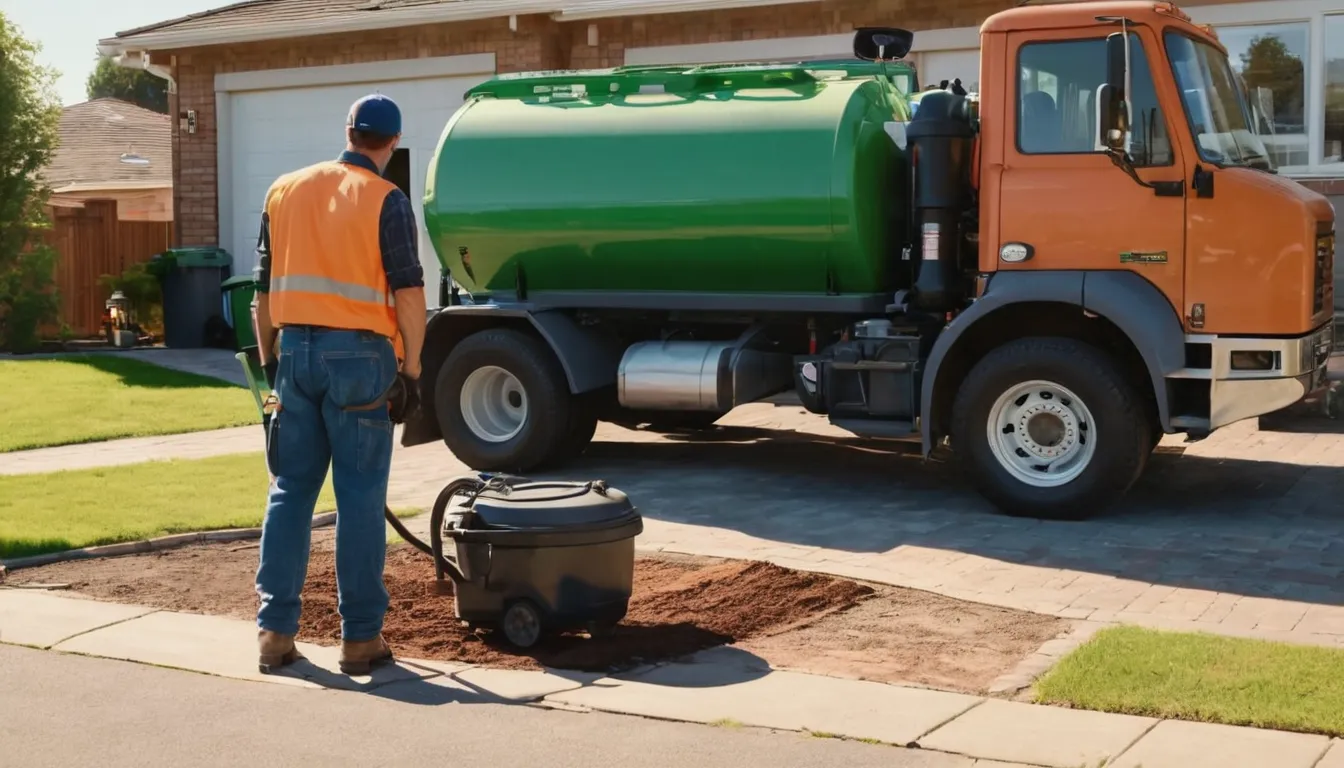
Septic Tank Pumping Services
Pumping clears the solids that build up in your tank, and a few simple records make every estimate easier.
See the details about Septic Tank Pumping Services
Sewer Line Repair
A damaged sewer line is easier to fix when you understand it, so we explain it first.
See the details about Sewer Line RepairNeed help in Grand Prairie?
Send a short request with a few photos and notes. A provider in our network can review it and share an estimate, with no obligation to accept.
Common Septic and Sewer Questions
How often should a septic tank be pumped?
Many households pump every three to five years, but it depends on tank size, how many people live in the home, and water use. Keep your pump-out receipts. A provider can suggest a schedule that fits your system.
How much does septic tank pumping cost?
In the U.S., routine pumping often runs a few hundred dollars, though tank size, access, distance and local fees change the price. Extra work, like cleaning a filter, can add to it. Ask each provider for a written quote.
Will insurance cover sewer line repair?
Some policies may cover sudden damage, but many exclude wear, age or root growth. Check your policy and ask your insurer. Providers can often help document damage for a claim, so keep photos, notes and invoices.
What are the signs of drainfield trouble?
Common signs include soggy or unusually green patches over the drainfield, slow drains, gurgling pipes, and sewage odors outdoors. Heavy rain can make these signs worse. Take dated photos, then request an estimate for drainfield repair.
Does Driverreactions Septic do the septic or sewer work?
No. Driverreactions Septic is a referral service that connects homeowners with independent local providers in its network. The provider does the work, sets the price and schedule, and gives you a written quote. You can also ask a provider about emergency septic cleaning if a system is backing up, and availability varies. Requesting an estimate carries no obligation.
Driverreactions Septic Is Proud To Serve the Grand Prairie area
Start With Clear Notes and Photos
A septic tank works a bit like a kitchen strainer. It catches the heavy bits so the water can move on. When the strainer fills up and nobody empties it, the water has nowhere to go.
That is often when homeowners in Grand Prairie, TX, start to notice slow drains, gurgling pipes, a sewage smell, or a soggy patch in the yard. These signs deserve attention.
Driverreactions Septic is a referral service. It does not do the work itself. It connects you with independent providers in our network who handle septic tank pumping services and sewer line repair across the Grand Prairie area.
Here is a tip that saves stress later. Before you ask for help, take a few photos, jot down what you have noticed, and find any old pump-out receipts. Clear records help providers give a more accurate estimate. They can also help if you talk with your insurance company.
Start with an estimate request. It takes a few minutes, and there is no obligation to accept anything.
Would you rather talk it through? Request a callback to check provider availability.
How It Works
A matchmaker, not a contractor
Think of a librarian. A librarian does not write the books, but knows how to find the right one. Driverreactions Septic works in a similar way. It does not pump tanks or fix pipes. It helps you reach independent local septic and sewer providers who do.
How the process goes
First, you send a short request describing the problem. Next, a provider in our network reviews it and may reach out with questions or an estimate. Then you compare what you hear and choose what fits. There is no obligation, and you can say no at any point.
Why paperwork matters
A mechanic can only guess at a noise you describe from memory. A video of it makes the job easier. Photos and notes do the same thing for a septic or sewer problem. Dates, symptoms, the tank location, and past service receipts give a provider the whole story at a glance. Providers can often help document damage for a claim, and your own records make that conversation smoother.
What to expect on costs
Prices vary by job, tank size, access to the lid, soil conditions, and local rules. In the U.S., a routine pump-out often runs a few hundred dollars, while sewer line repair can range from several hundred to several thousand dollars. Those are only typical ranges. A written quote shows exactly what is included, so ask for one before you agree to anything.
Honest about our role
Providers set their own prices, schedules and methods. Driverreactions Septic simply makes the first step easier and keeps the process low on pressure.
Serving Homes Across the Grand Prairie area
Soil is a lot like a sponge. A dry sponge soaks up water easily, but a full one cannot hold another drop. Around Grand Prairie, hot, humid summers and heavy downpours during storm season can leave the ground soaked. A septic drainfield that cannot drain into soggy soil may show trouble first.
Homes here vary, and so do their pipes. Many are slab-on-grade ranch houses with brick or vinyl siding, where drain lines sit under the concrete. Some older houses sit on piers, with pipes hanging in the crawl space. Each layout changes how a provider reaches the problem and what the estimate looks like.
Providers in our network cover septic tank pumping, emergency septic cleaning when a system backs up, drainfield repair, and sewer line repair. Some can also advise on water well service when a well sits near a septic system. Availability depends on the provider and the day.
Tell us about your home and the symptoms you see. A short description helps match you with a provider who works with your type of property.
If you prefer to talk first, request a callback to check provider availability.
Local Tips for Septic and Sewer Care
Storm season and soggy soil
After a long stretch of heavy rain, the ground may stay wet for days. Watch for slow drains and gurgling. Try to limit laundry and long showers while the soil dries, because extra water adds to the load.
Heat and summer habits
Hot weather brings more guests, more laundry, and longer showers. A tank that was fine in spring may fill faster. Keep an eye on your usual pumping schedule and shorten it if use goes up.
Slab homes and hidden pipes
When drain lines run under a concrete slab, a leak is hard to see. Look for damp flooring, warm spots, or a musty smell. Note where and when you notice them, then take a photo.
Pier-and-beam houses
Older houses with crawl spaces let a provider see pipes from below. Sagging or wet insulation down there is worth a picture. Do not crawl into a wet or smelly space yourself.
Wells and septic neighbors
If your property has a private well, the septic system and the well need enough distance between them. Ask a provider about water well service if the water smells or tastes different after a septic problem.
Build a simple home file
Keep one folder with pump-out dates, tank size, system maps, and past invoices. Add dated photos of anything unusual. Providers can read a file like this in minutes.
Compare estimates calmly
Ask each provider what the estimate includes, what could change the price, and how long the work may take. Put the answers side by side. A written quote makes the comparison fair.
Talking with your insurer
Some policies may cover sudden damage, but many exclude gradual wear. Check your policy, keep your records, and ask your insurer what they need to see.
Request Your Estimate
Ready to take the first step? Share a few details about your septic or sewer problem, add photos if you have them, and a provider in our network can review your request. There is no obligation to accept an estimate.
Prefer a conversation? Request a callback to check provider availability. Call hours vary by provider, so the request form is often the easiest way to begin.
Tell us what happened
Send a short request with a few photos and notes. A provider in our network can review it and share an estimate, with no obligation to accept.
No obligation