Septic Tank Pumping Services for Grand Prairie Homes
Request an estimate from local providers
A septic tank works like a settling jar. Wastewater flows in, heavy solids sink, light grease floats, and the middle layer drains out to the drainfield. Over time the sludge layer grows. When it gets too thick, solids can slip out and clog the soil that treats your water.
Driverreactions Septic is a referral service. It connects homeowners in Grand Prairie and the Grand Prairie area with independent providers in our network who handle pumping. The providers do the work, not Driverreactions Septic. Before you request an estimate, gather a few photos, notes and past records. Document, then decide. Write down any symptoms and the date of your last pumping. You can compare quotes at your own pace, with no obligation. Costs vary by tank size, access and local rules, so ask for a written quote.
Is Your Tank Full or Overdue? Start Here
Think of your tank like a kitchen sink trap that never gets emptied by hand. It fills slowly, and you rarely see it. So the signs show up elsewhere in the house and yard.
Watch for these clues:
- Drains that gurgle or run slowly in more than one room
- Sewage smells near the tank lid or drainfield
- Wet, spongy ground or unusually green grass over the yard lines
- Toilets that back up after heavy use
If you see sewage backing up indoors or pooling in the yard, treat it as urgent. Stop running water where you can, and ask providers about emergency septic cleaning when you request an estimate. Many providers can respond quickly, but availability varies.
What to Write Down Before You Ask for Help
A good estimate starts with good information. Providers can only guess when they hear a vague story. Clear notes let them give a clearer price.
Take a few minutes to collect:
- Photos of the problem area, the yard, and any lid you can see
- The date of your last pumping, if you know it
- The number of people in the home and any recent guests
- A short list of symptoms with dates
- Any old receipts, permits or system diagrams
Records ease estimates. They also help if you later talk with your insurance company. Some policies may cover sudden damage, so check your policy. Providers can often help document damage for a claim.
Why Regular Pumping Matters
Picture a coffee filter. If you never change it, the water stops flowing the way it should. A septic tank behaves much the same way. Solids pile up, and the tank has less room to hold and separate wastewater.
When solids escape, they travel to the drainfield. The soil there can clog, and that leads to slow drains, soggy ground and costly drainfield repair. Pumping on a steady schedule is usually far less expensive than fixing a damaged field.
How Often Should You Pump?
There is no single number that fits every home. Most tanks need attention every three to five years, but your own pattern may differ.
Things that change the timing:
- Tank size compared with the number of people in the house
- Heavy water use, such as many loads of laundry
- A garbage disposal, which adds more solids
- Local rules, which can set a minimum schedule
Hot, humid summers and heavy downpours matter too. Saturated soil drains slowly, so a tank that is already near full has less room for error during storm season. A provider can measure the sludge layer and suggest a schedule for your home.
What Happens During a Pumping Visit
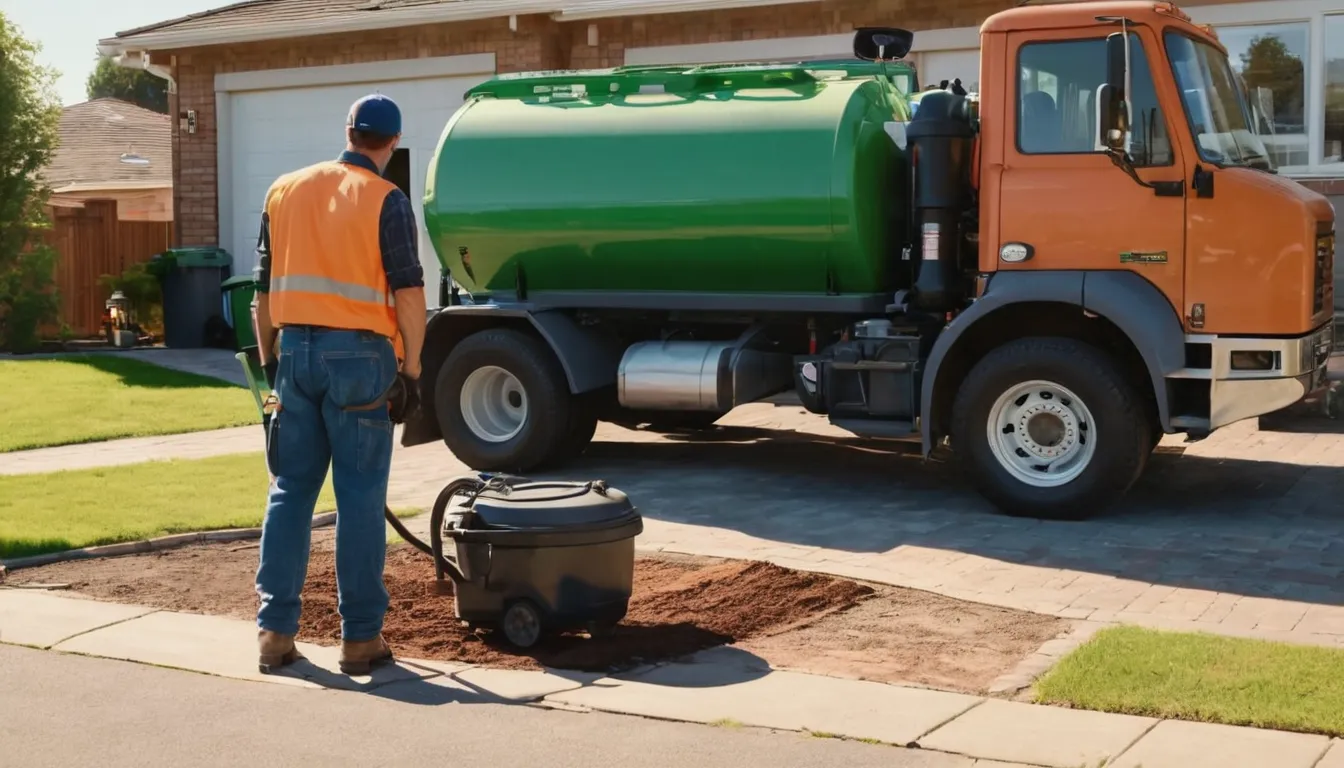
The visit is simpler than most people expect. The provider finds the tank, opens the lids, and checks the liquid levels. A truck with a large vacuum then removes the sludge and scum.
Many providers also look at the baffles and outlet, and note the condition of the lids. Ask them to point out anything unusual and to write it down. On slab-on-grade ranch homes, the tank is often in the back yard, so clear a path and move toys or furniture first.
Pumping and Inspections
Pumping empties the tank. An inspection looks at how the system is working. They are related, but they are not the same thing.
While the tank is empty, it is easy to check for cracks, root intrusion and worn parts. Ask whether the estimate includes an inspection or whether it is a separate line. This is also a good time to ask about drainfield condition, and about water well service if your home uses a private well near the system.
Buying or Selling a Home With a Septic System
Many lenders and buyers ask for proof of a recent pumping or inspection. If you are selling, a clean record can calm questions early. If you are buying, ask for past receipts and any permits.
A short folder of photos, dates and reports helps both sides. Compare at your pace, and do not feel rushed by a closing date. Ask providers whether they can write a clear report in plain words.
Caring for Your System Between Pumpings
A few habits protect the tank, like wiping a pan before washing it.
- Spread laundry across the week instead of one big day
- Flush only toilet paper and human waste
- Keep grease, wipes and coffee grounds out of drains
- Keep cars and heavy equipment off the tank and field
- Fix dripping faucets and running toilets
Direct roof gutters and sump discharge away from the drainfield. Extra water from storms can overload the soil.
Questions to Ask the Provider
A few questions help you compare estimates fairly:
- What is included: pumping, disposal, inspection, lid access?
- Will you note the tank size and the sludge level in writing?
- Are there extra charges if the lid is buried?
- What do you suggest for my next pumping date?
Put each answer next to each estimate. The smallest number on the page is not always the clearest offer, so look at what is actually included.
Take the Next Step Without Pressure
You do not need to decide today. Gather your photos and notes, request an estimate, and read each one calmly. Request a callback to check provider availability if you would rather talk it through.
What's Included
Tank Pumping
A provider removes built-up sludge and scum so the tank has room to hold and separate wastewater again.
Level Check
Many providers measure the sludge and scum layers and note them for your records.
Baffle and Lid Review
Providers often look at the baffles, outlet and lids while the tank is open and empty.
Written Notes
Ask for a short report with the tank size, the date and any issues, so your records stay current.
Typical Septic Pumping Price Ranges
Prices vary with tank size, access, distance to the disposal site and how full the tank is. These are typical U.S. ranges only. Always ask for a written quote before you agree to any work.
| Item | Typical range | Notes |
|---|---|---|
| Routine pumping, standard tank | $250 – $600 | Depends on tank size and local rates |
| Large tank (1,500+ gallons) | $450 – $900 | More volume takes more time |
| Digging to find a buried lid | $100 – $400 | Added if the lid is not at ground level |
| Riser and lid installation | $300 – $800 | Makes future pumping easier |
| Tank inspection with pumping | $300 – $700 | Varies with the depth of the check |
| Emergency or after-hours visit | $400 – $1,000 | Availability and rates vary by provider |
How It Works
Gather Your Notes
Collect photos, past receipts, the last pumping date and a short list of symptoms with dates.
Request an Estimate
Send your details through the form so a local provider can review your situation.
Compare the Offers
Line up what each estimate includes, not only the price, and ask questions.
Schedule Your Visit
Choose the provider you prefer, then clear a path to the tank lid beforehand.
Why Call Driverreactions Septic
Clear Records
Photos, dates and notes help providers understand your tank, so their estimates match your real situation.
Compare Calmly
You can review several estimates side by side, with no obligation to choose any of them.
Local Providers
Independent providers in the network know area soils, storms and rules.
No Pressure
Take your time to read, ask questions and decide when you feel ready.
Other Services
Need septic tank pumping services in Grand Prairie?
Send a short request with a few photos and notes. A provider in our network can review it and share an estimate, with no obligation to accept.
Septic Tank Pumping Services FAQ
How often should a septic tank be pumped?
Many homes need pumping every three to five years. Tank size, household size and water use change that. A local provider can check your sludge level and suggest a schedule.
How much does septic tank pumping cost?
Routine pumping often runs from about $250 to $600 in the U.S., though large tanks and hard access cost more. Request a written quote so you can compare.
Can I pump my septic tank myself?
It is not a safe do-it-yourself job. Tanks hold harmful gases and heavy lids. Providers have the equipment and disposal access to do it properly.
Tell us what happened
Send a short request with a few photos and notes. A provider in our network can review it and share an estimate, with no obligation to accept.
No obligation